 TRUE NORTH MINING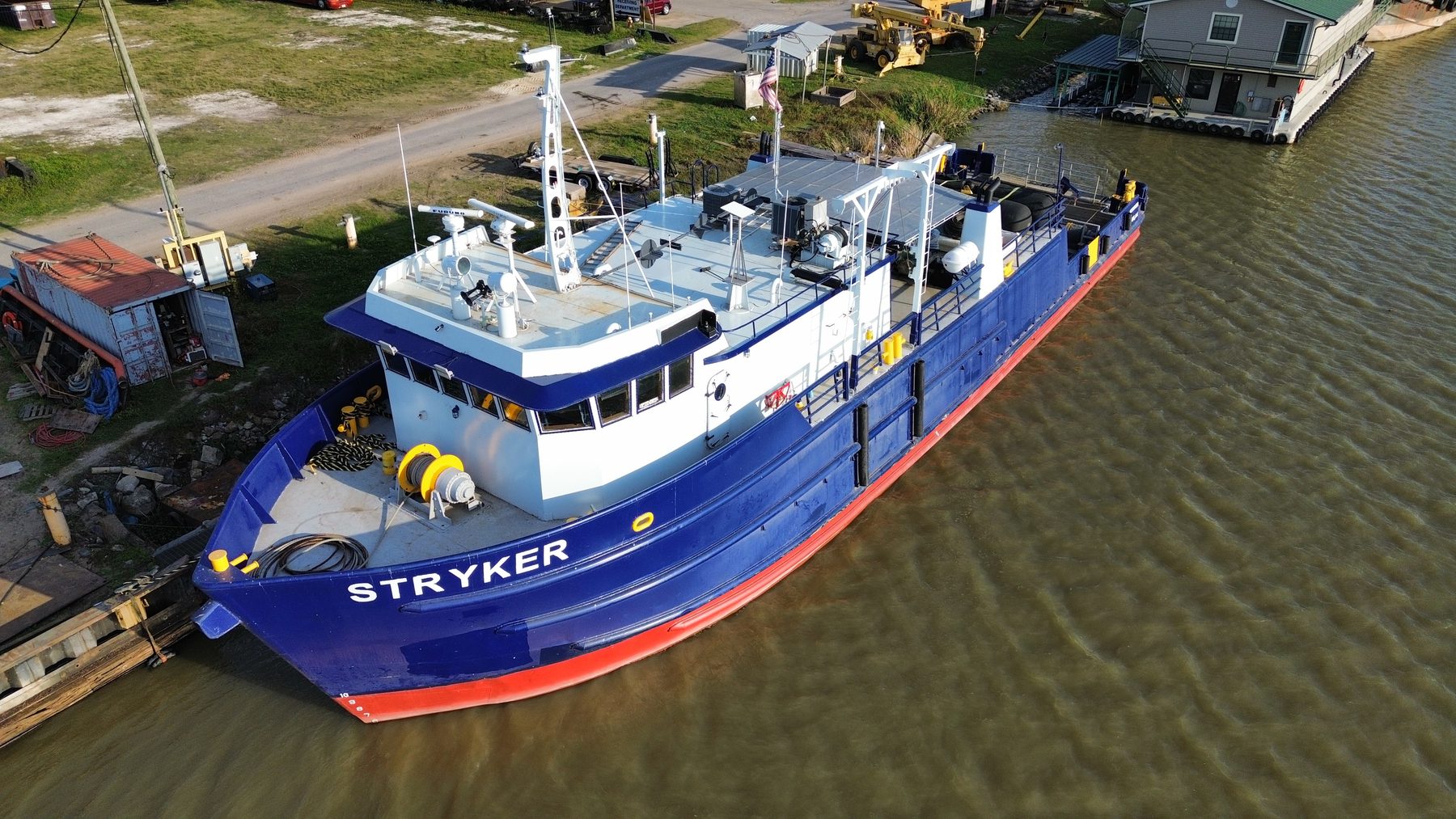
Gold, recovered from the floor of the Bering Sea.
True North Mining operates a two-vessel fleet on the offshore placer ground off Nome — one of the few gold districts on earth where the richest deposits still lie underwater.
Nome has been a gold town since 1898. The beach was only the beginning.
The strike that drew tens of thousands north was found in the sand at the waterline. What the stampeders could not reach was the ground that kept going — out past the surf, under the Bering Sea, where ancient rivers and glacial action laid down placer deposits that no pan or rocker box could touch.
Offshore, not onshore
The beach and the tundra behind it have been worked for more than a century. The seafloor requires a vessel, a permit, and equipment that most operators do not have.
A short, hard season
Norton Sound is workable from roughly May to October. Everything — mobilisation, production, maintenance, demobilisation — has to fit inside that window.
Permitted operation
Offshore mining discharge is authorised by the Alaska Department of Environmental Conservation under AKG374036. The permitting framework is well established, and slow to enter.
The easy goldwent first
Two hulls out of the same Louisiana yard.
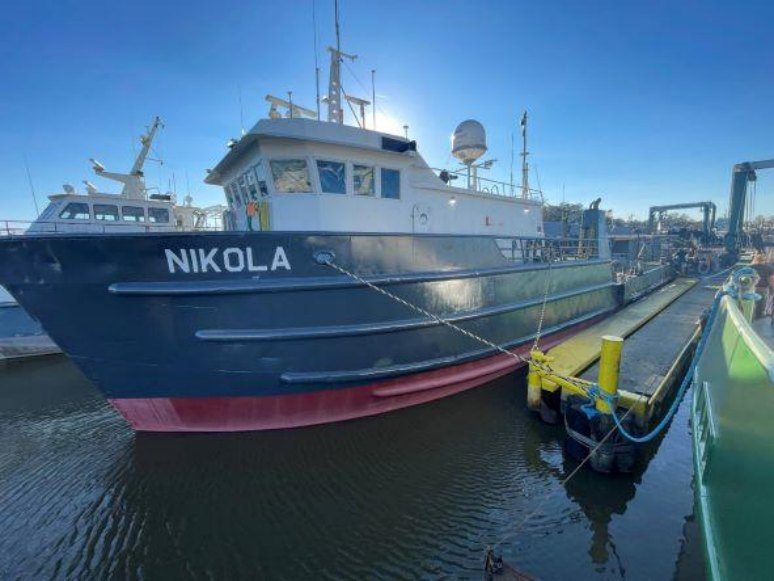
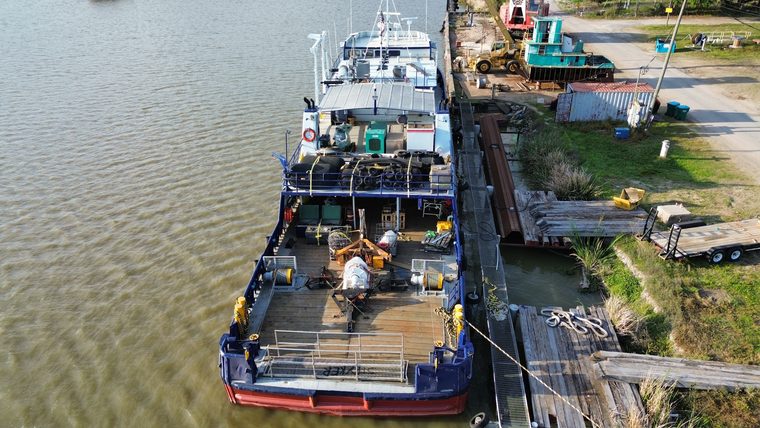
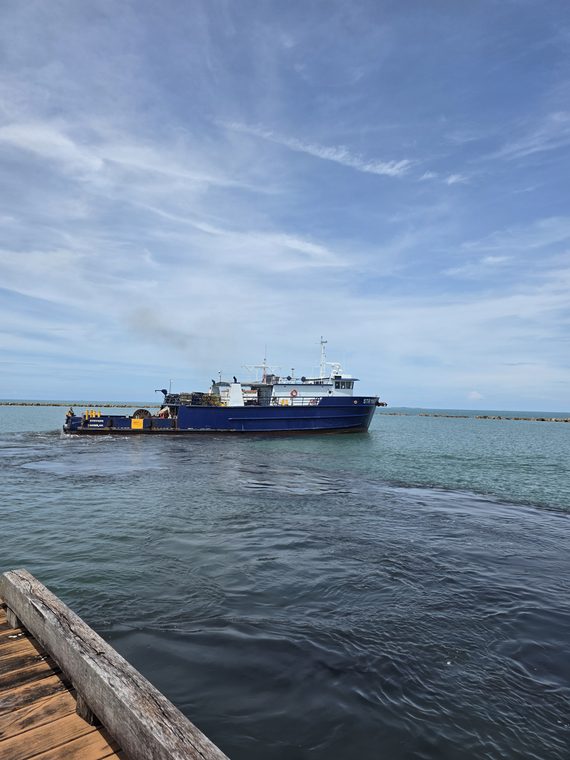
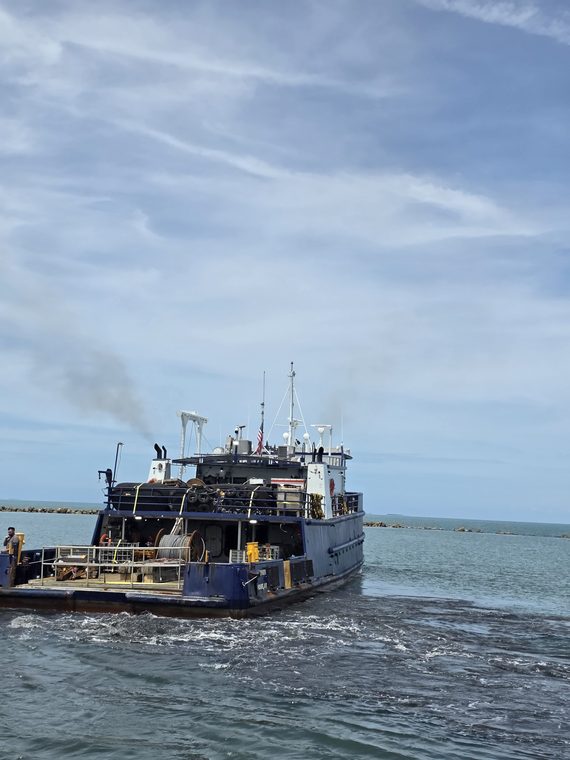
M/V Nikola
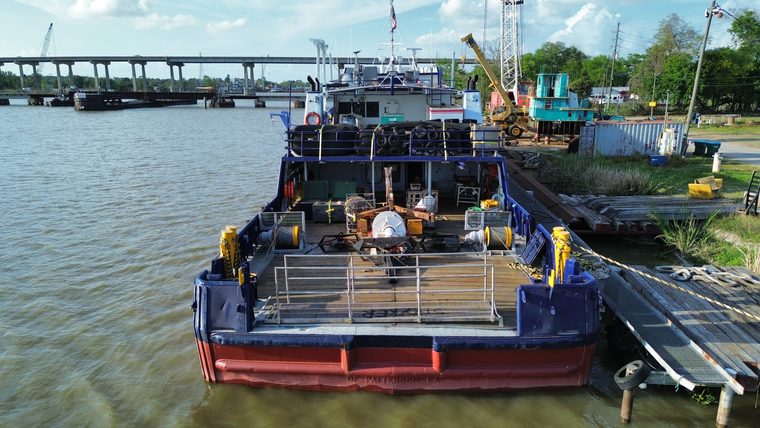
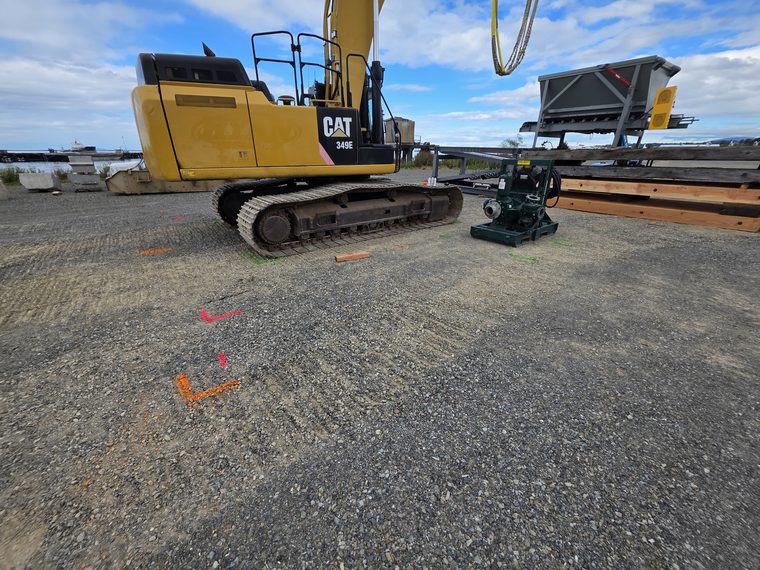
A 112-foot steel utility vessel converted for offshore placer recovery. Deck-mounted excavator and crane, onboard sluice recovery, 1,404 square feet of clear working deck, and accommodation for a full rotating crew through the Bering Sea season.
- Built1980 · Houma, Louisiana
- BuilderUniversal Iron Works, Inc.
- Length112.3 ft
- HullSteel
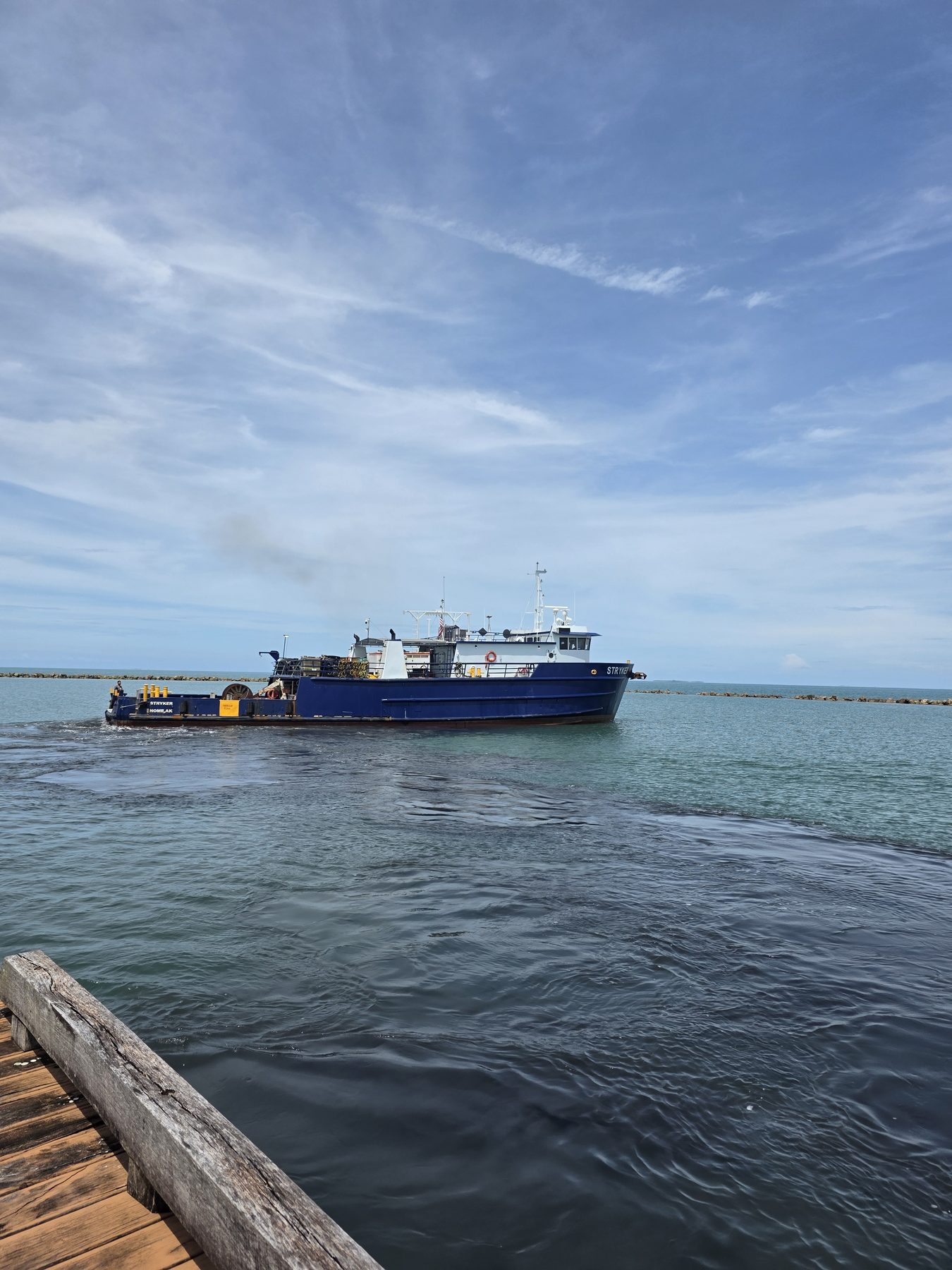
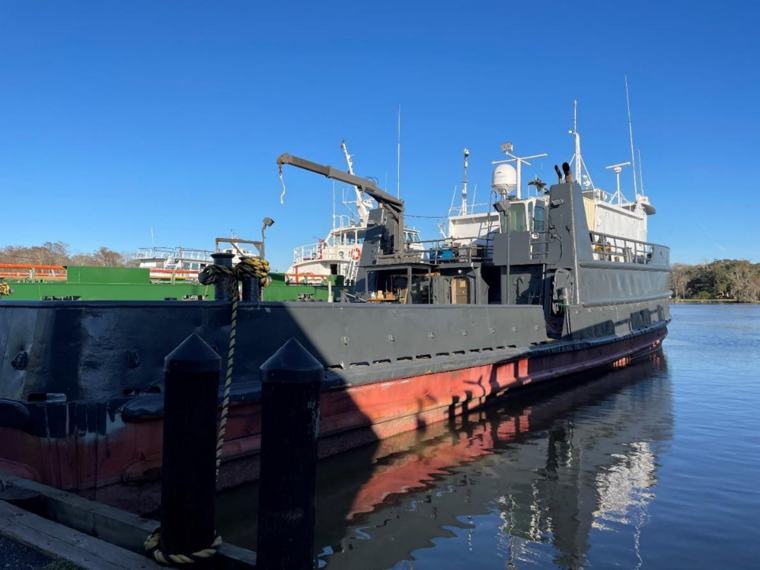
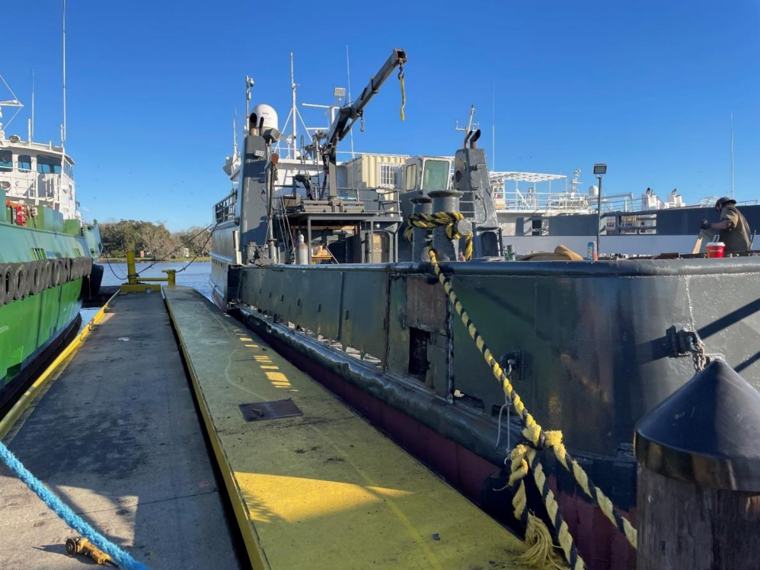
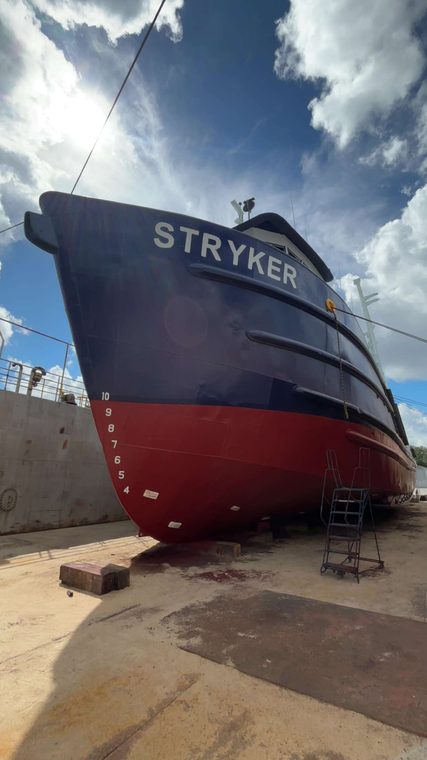
M/V Stryker
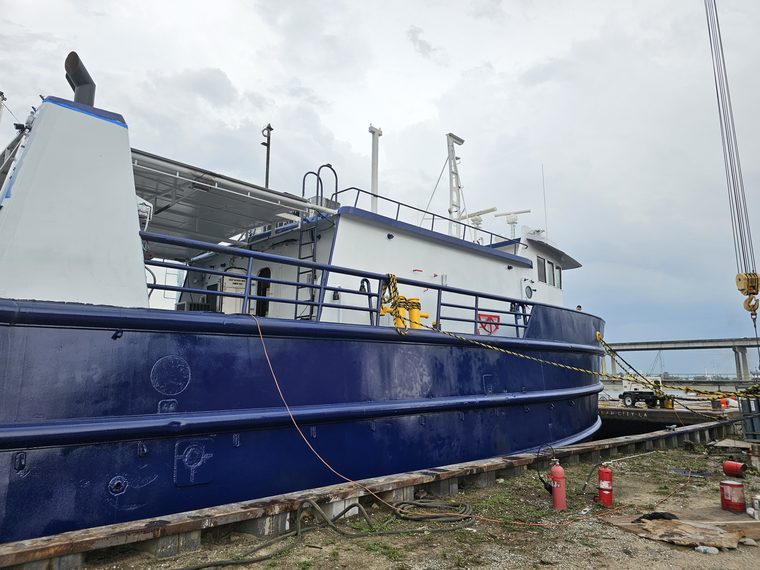
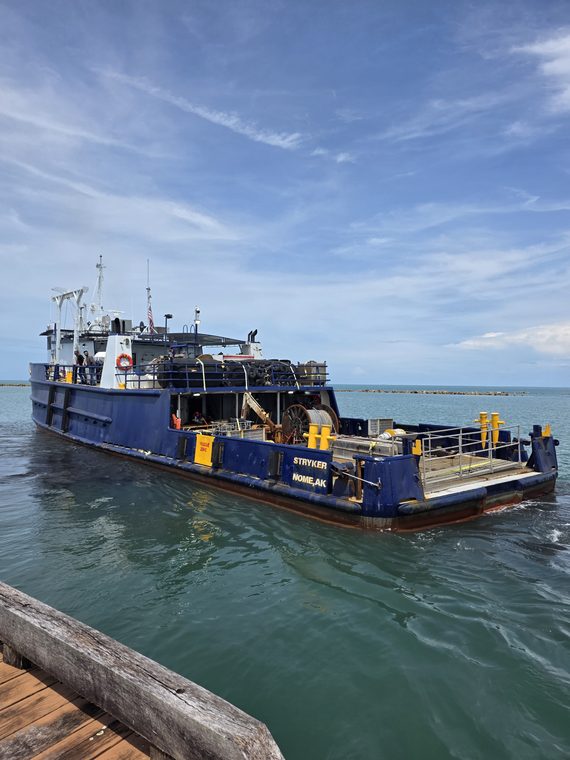
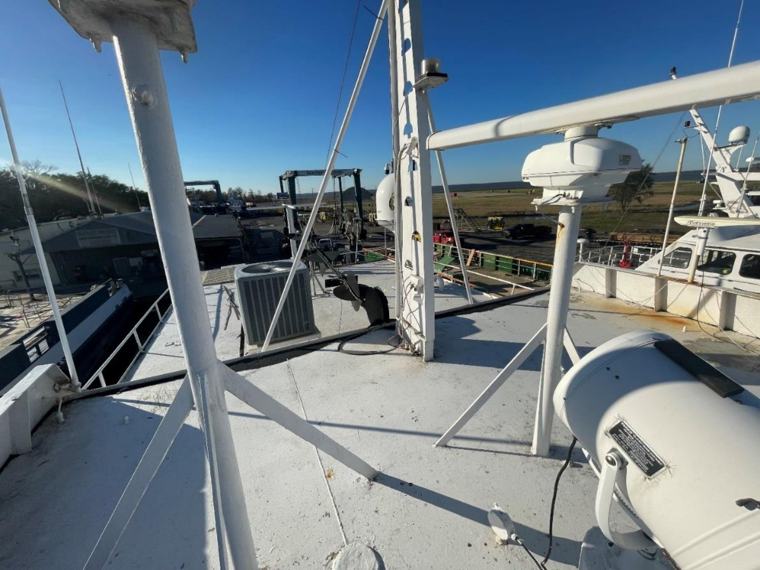
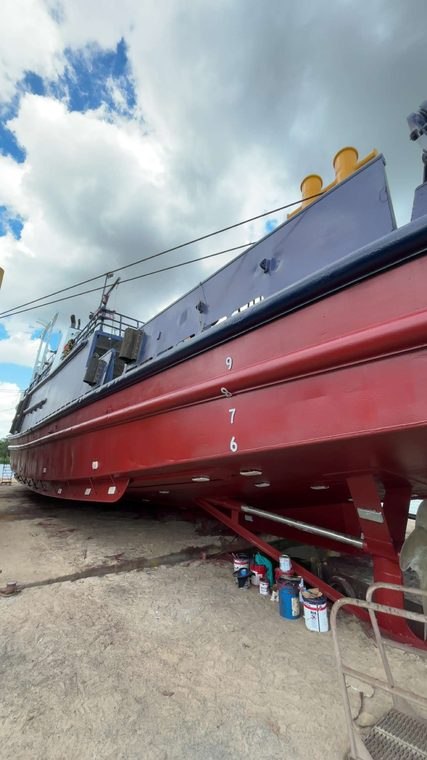
A steel vessel out of the same Houma yard as the Nikola, built in 1981 as the research vessel Geodetic Surveyor and rebuilt through 2025. She works the ground herself — a flat deck sized for the recovery plant, a 7,500-pound A-frame aft, two staterooms and ten bunks, and 30,000 gallons of fuel — which is what it takes to stay on station rather than run for shore.
- Built1981 · Houma, Louisiana
- BuilderUniversal Iron Works, Inc.
- Length112.3 ft
- HullSteel
Fifty-four seconds of the actual thing
Not a rendering, not a plan, not a photograph of a boat tied to a dock. The M/V Nikola on station off Nome with the excavator working the seafloor beside her, filmed from the crew boat on an ordinary grey day.
No commentary, no music, no edit. The sound is wind and machinery.
Six months to do a year's work.
Scrub through the operating window.
Fit-out, fuel, and everything that has to be right before you leave
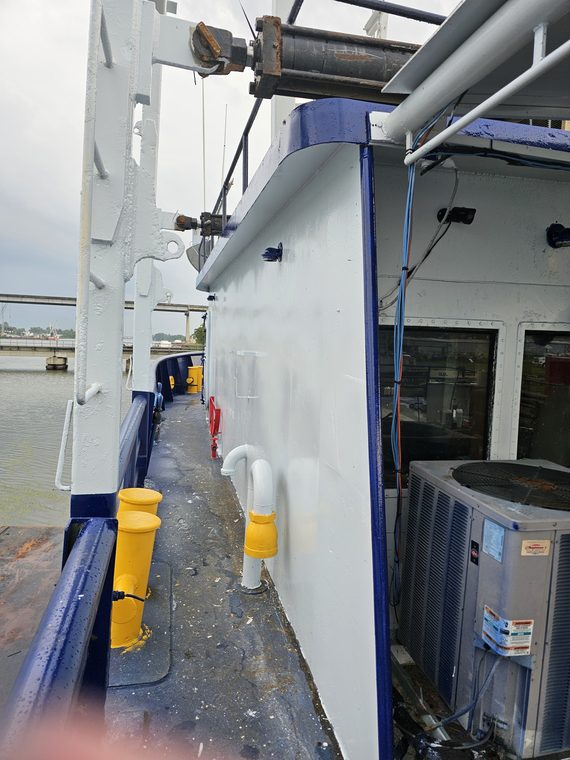
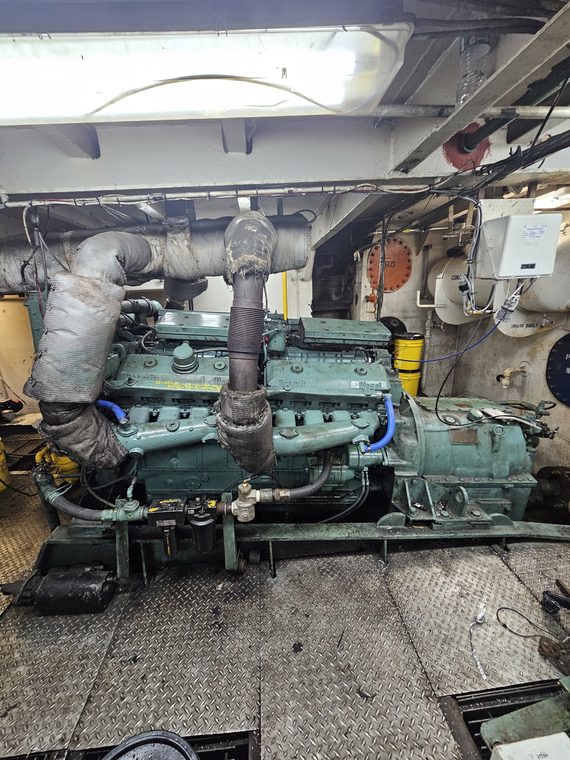
Nothing about the Bering Sea forgives a job left half done at the dock. May is spent making the vessels ready to be a long way from help: hull and running gear inspected out of the water, zincs renewed, sea valves and through-hulls worked and proved, main engines and gensets serviced, filters and belts and impellers changed and the spares for all of them boxed and labelled.
- Bunkers taken on and fuel polished — water and sediment out of every tank before it can find an injector at sea
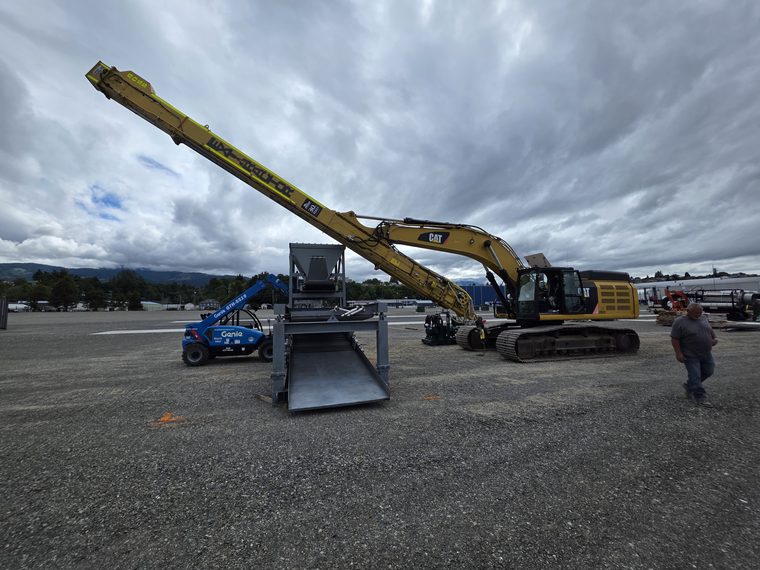
- Recovery plant assembled, trial-fitted and set on deck; excavator and crane commissioned
- Steering, windlass and hydraulics run under load; EPIRB, liferafts, flares and immersion suits checked and in date
- Provisions, potable water, lube oil and consumables loaded for the whole season
- Charts, permits and crew documentation confirmed current
North
The ice retreats out of Norton Sound and the fleet sails. It is a long transit with a loaded deck, and it is the last of the easy days — once the vessels are on the ground off Nome, everything that was not fixed in May gets fixed at anchor. On arrival the moorings go down, the plant is commissioned in the water, and the first runs are made over surveyed ground.
- Transit north, deck cargo secured for open water
- Moorings set and the vessels held on station
- Recovery plant commissioned and the first runs made
- Crew rotations begin
Peak season
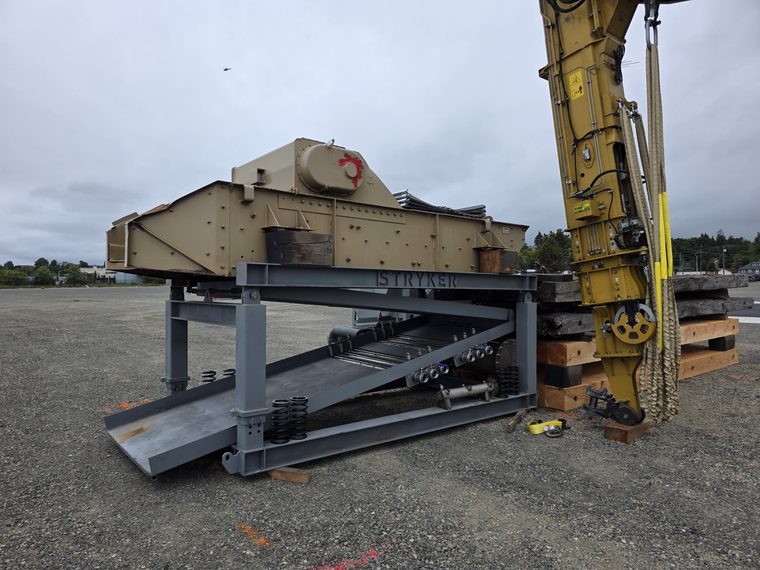
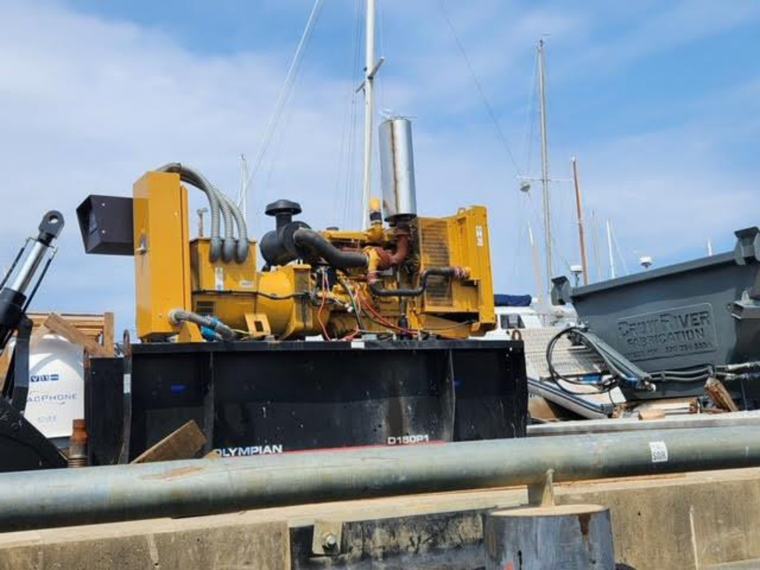
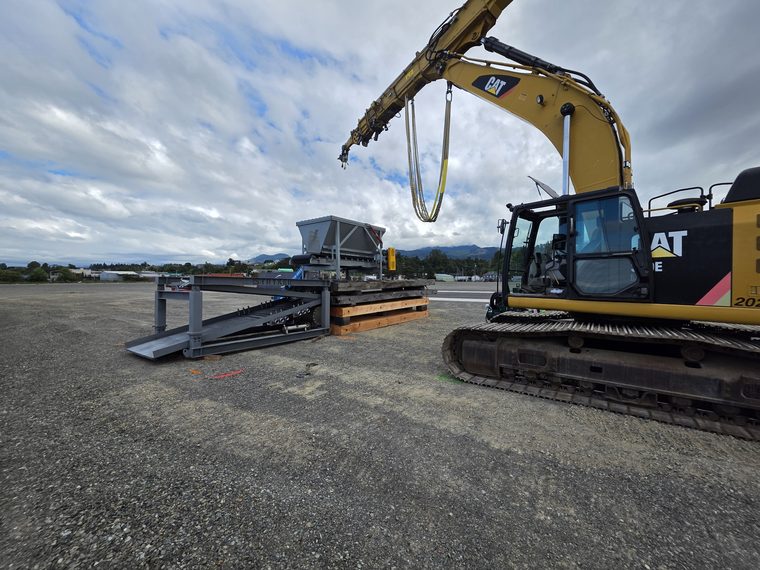
The longest days of the year and the calmest water the season offers. This is the stretch the whole year is built around. The excavator works the seafloor, material goes over the screen deck, oversize goes back and the pay fraction goes to the sluice — as close to around the clock as the weather and the crew allow.
- Continuous recovery while daylight and weather hold
- Cleanouts run on schedule; concentrate weighed, logged and secured aboard
- Crew rotate through; the plant does not stop for a crew change
- Wear parts changed in place, between runs
Sustained operation
Production continues while the weather holds. Maintenance is done in place and between runs, because coming off station costs days that cannot be bought back later in the year. Everything recovered goes ashore on a scheduled run rather than accumulating on deck.
- Recovery continues; ground worked to the survey
- Scheduled runs ashore — nothing valuable stays aboard longer than it has to
- Running maintenance on plant, excavator and main machinery
- First long-range look at the autumn forecast
Weather closes in
Bering Sea autumn arrives early and hard. Operating windows shorten between blows and the decision to keep working or to start demobilising gets made on the forecast, not the calendar. Work continues in the gaps — and the gaps get shorter every week.
- Recovery continues in the windows between weather
- Ground and gear prioritised on the assumption each run may be the last
- Demobilisation sequence planned while there is still time to plan it
- Standing rigging, deck cargo and lashings checked for the run south
Shut down, run south, and start again
The last runs are made in early October, and then the season closes. Moorings come up, the plant comes off, the season’s recovery goes ashore, and the crew go home to families most of them have not seen since May. The vessels transit south and the winter work begins almost immediately — because the list written in October is the list that makes May possible.
- Final cleanout; everything recovered lands and is accounted for
- Moorings recovered, plant broken down and secured for the transit
- Vessels run south; crew stand down and go home
- Haul-out, survey and repair scoped over the winter so the fleet sails again in May
The vessels, up close.
The refit, the drydock, the plant and the working deck — bow to engine room.
Participation in the operation
True North Mining works with a small number of private investors. Any participation is offered solely through definitive offering documents, and only to investors whose accredited status has been verified.