 TRUE NORTH MINING
Taking gold off the seafloor.
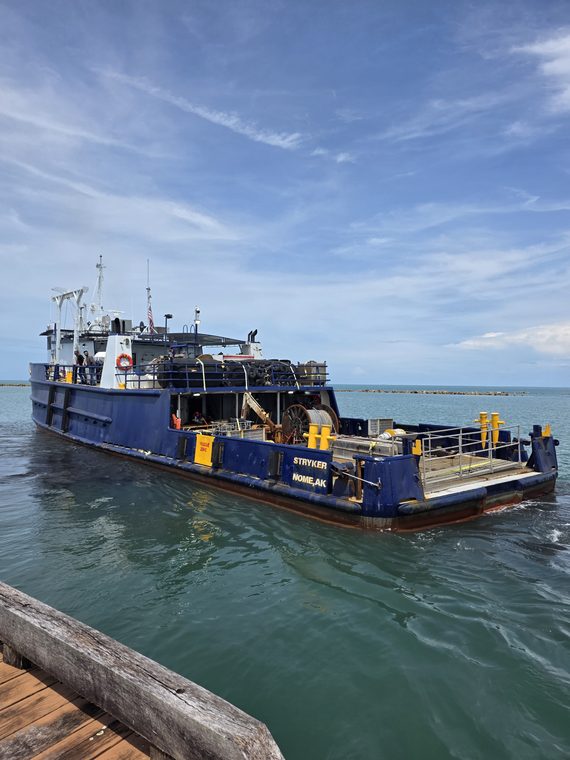
Placer gold is gold that has already been freed from its parent rock and carried by water until it settled. Off Nome, it settled on the bottom of the Bering Sea. Recovering it is less like hard-rock mining than like careful, permitted dredging.
Position and hold
The vessel moors over surveyed ground and holds station. In Norton Sound the water is shallow but the weather is not forgiving, and staying put is half the job.
Excavate
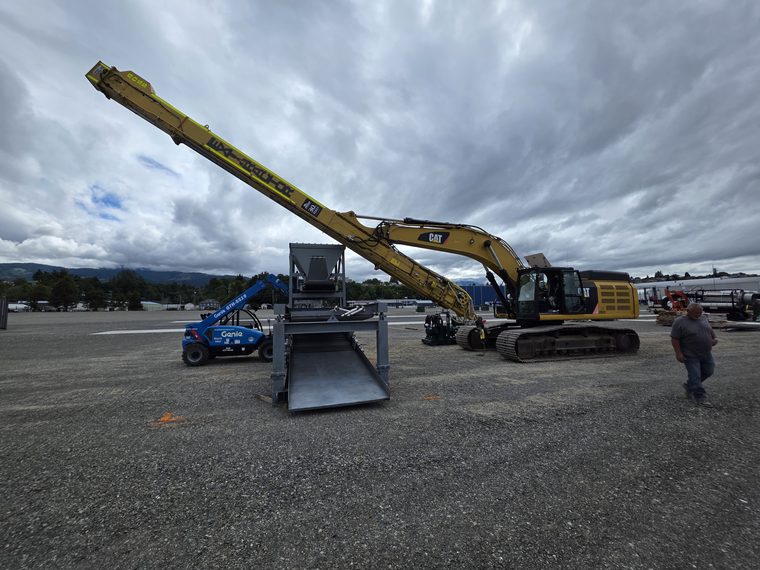
A deck-mounted excavator works the seafloor beneath the vessel, lifting gravel and sand from the pay layer up onto the deck.
Recover
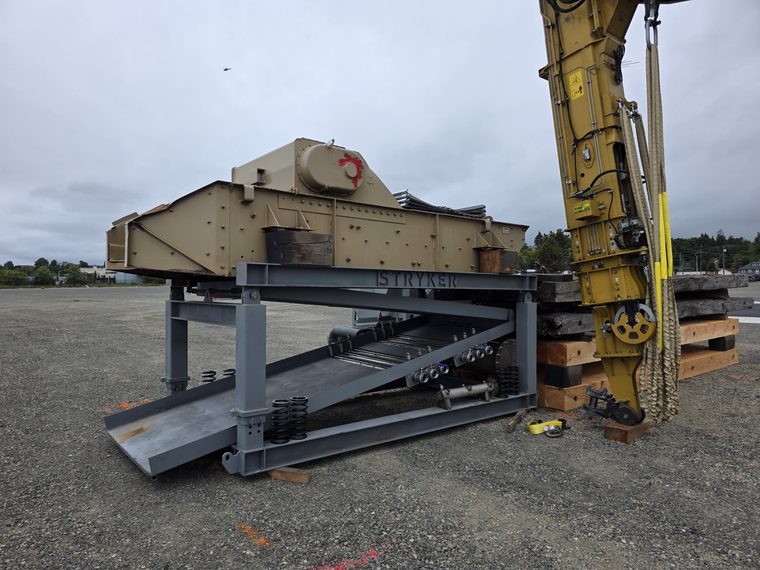
Material runs through the onboard plant. Gold is far denser than everything around it, so moving water and gravity do most of the separation.
Return the tailings
Processed material goes back to the seabed under the terms of the DEC discharge authorization, with monitoring recorded through the season.
This is what it looks like from the water
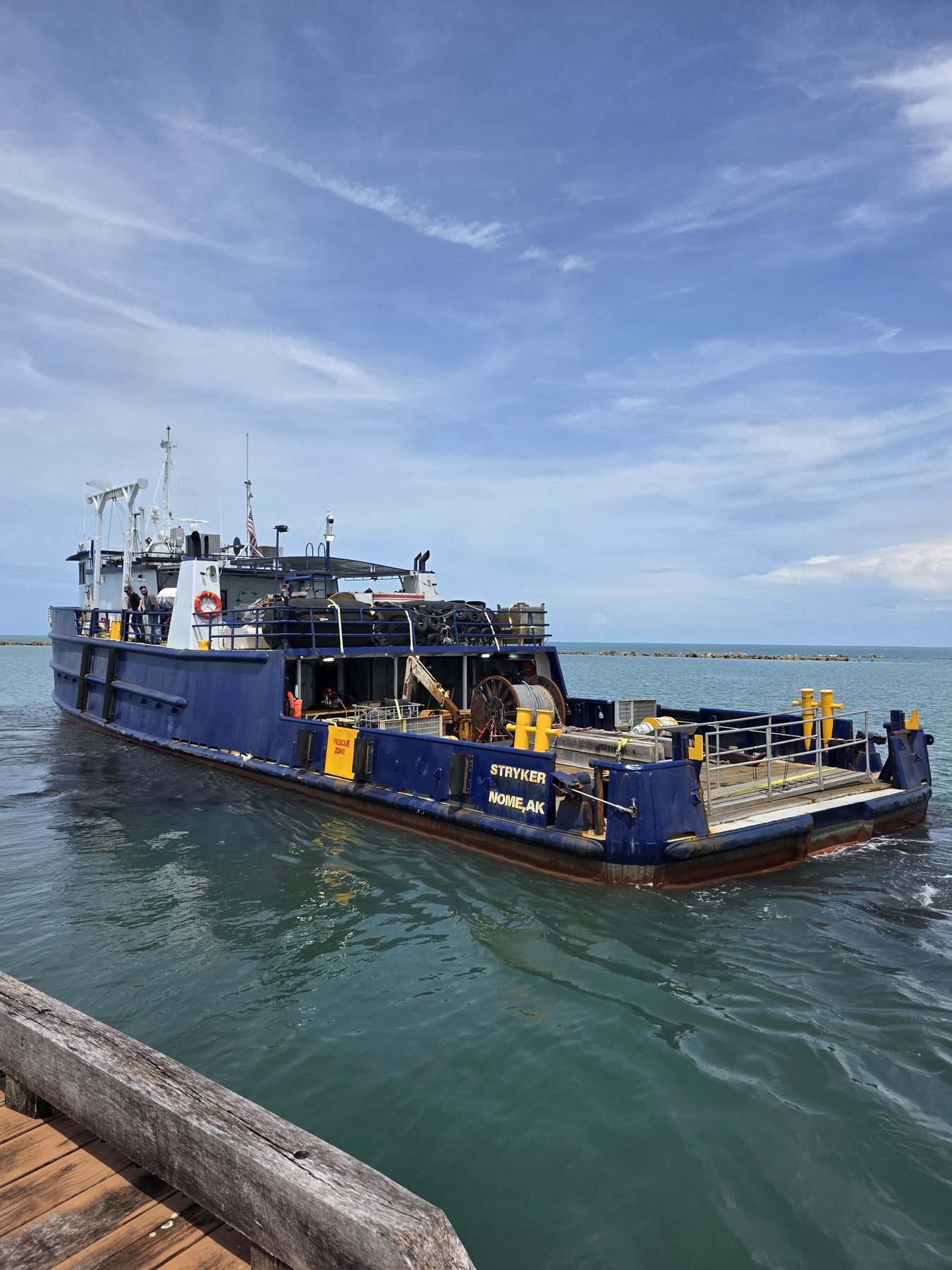
The M/V Nikola on station off Nome, the excavator working the seafloor beside her. Fifty-four seconds, shot on a phone from the crew boat on an ordinary grey day in the Bering Sea.
No commentary, no music, no edit. The sound is wind and machinery.
Norton Sound, western Alaska.
The beach was worked out a century ago.
The deposit kept going
The 1898 strike was found in beach sand. The same depositional system continues offshore, and the submerged ground was beyond the reach of anyone working with a pan, a rocker, or a shore-based sluice.
Entry is genuinely hard
Offshore recovery needs a documented vessel, marine insurance, a crew that can work Arctic water, and a discharge authorization. That combination is the moat — it is why the ground is still there.
Six monthsto do a year's work
May – October, and not a week longer.
Fit-out, fuel, and everything that has to be right before you leave
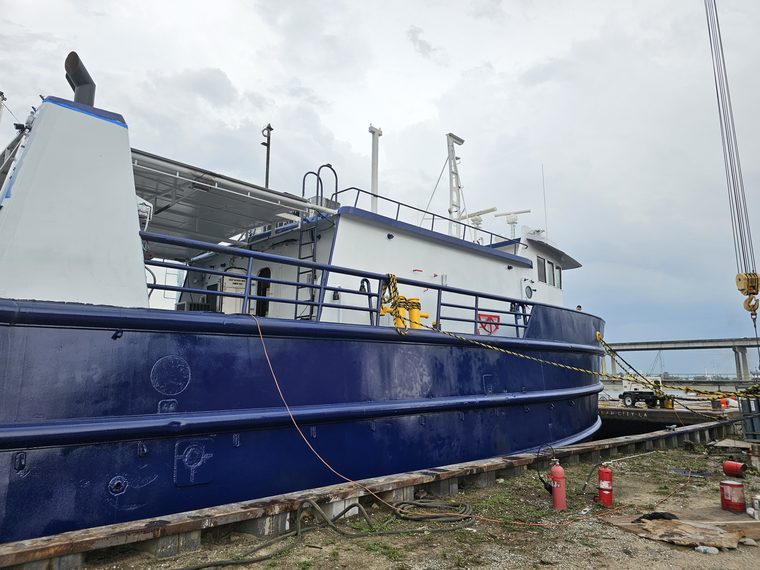
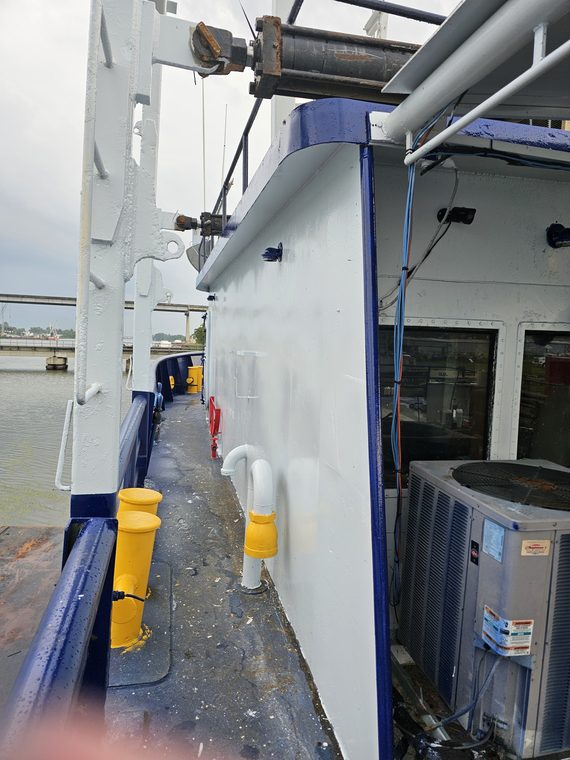
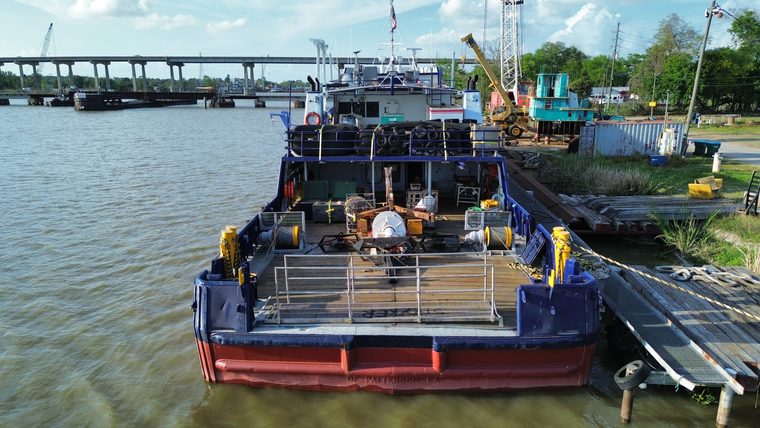
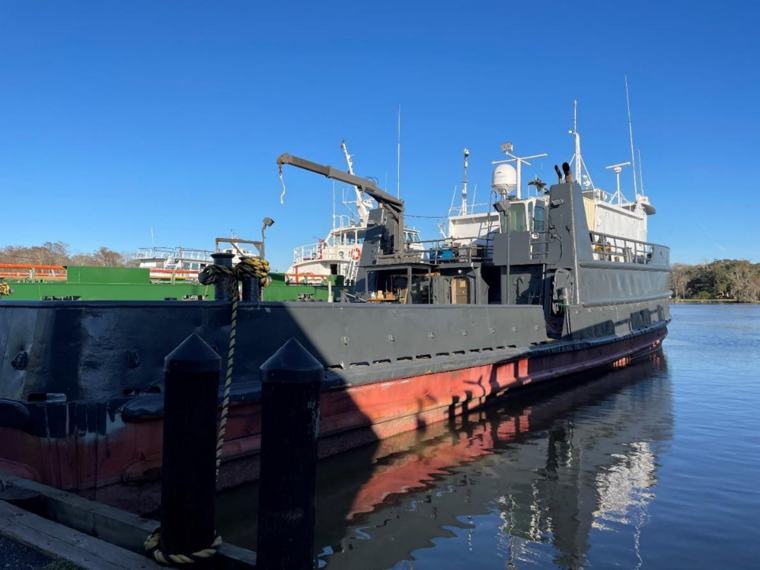
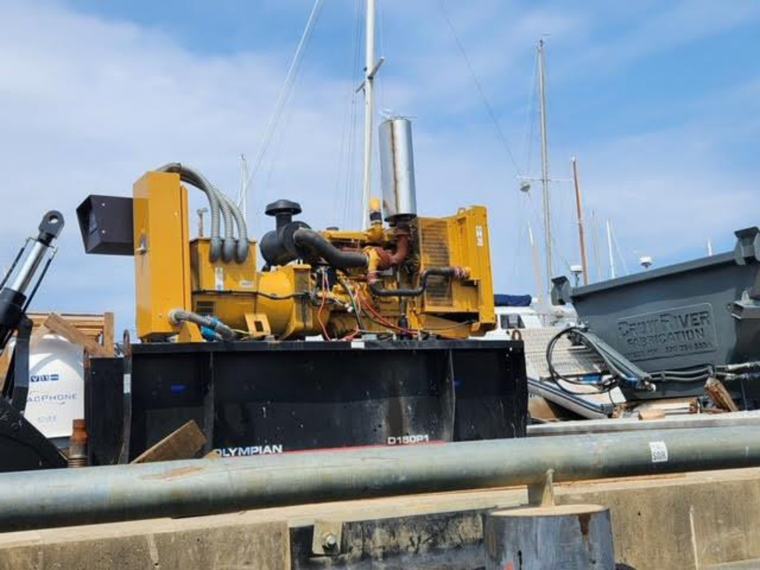
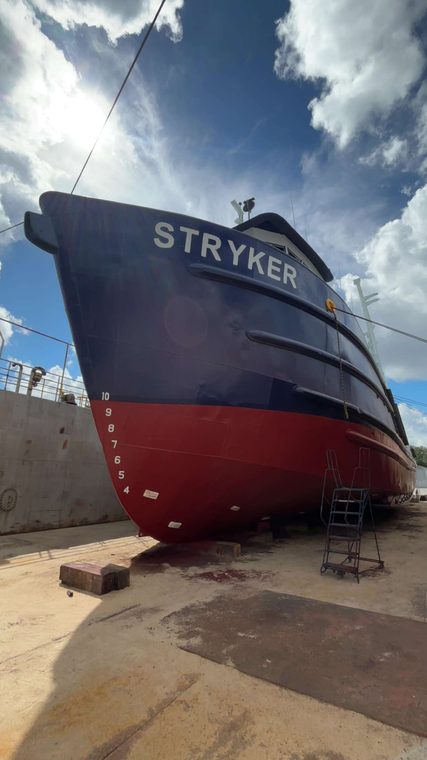
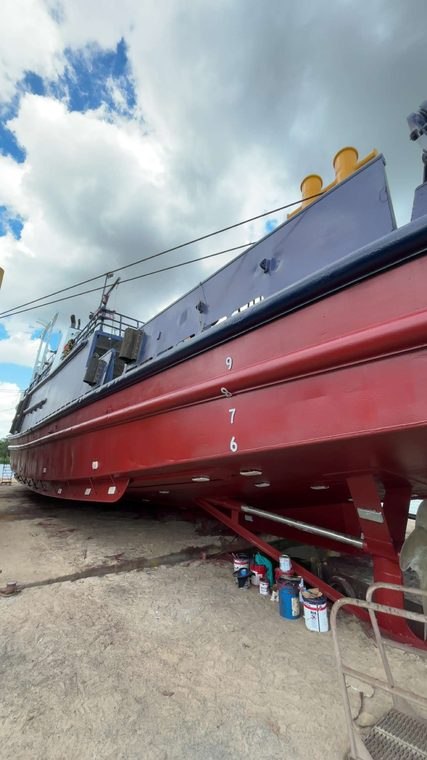
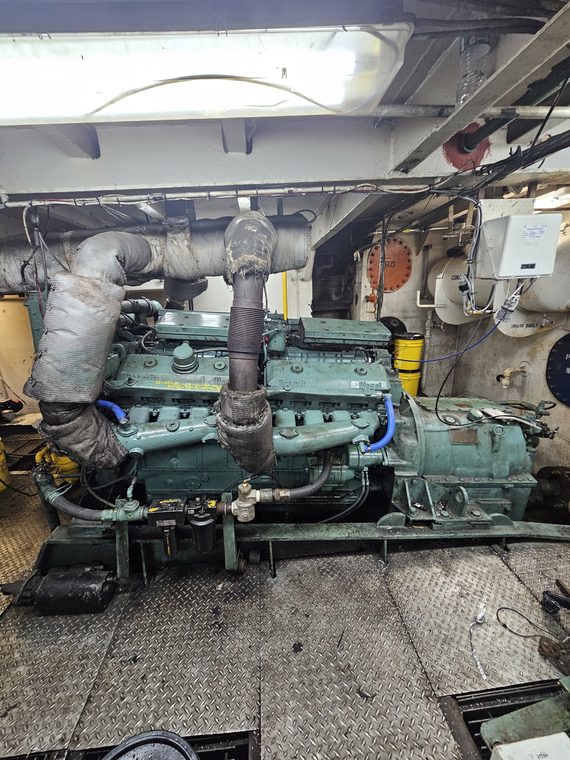
Nothing about the Bering Sea forgives a job left half done at the dock. May is spent making the vessels ready to be a long way from help: hull and running gear inspected out of the water, zincs renewed, sea valves and through-hulls worked and proved, main engines and gensets serviced, filters and belts and impellers changed and the spares for all of them boxed and labelled.
- Bunkers taken on and fuel polished — water and sediment out of every tank before it can find an injector at sea
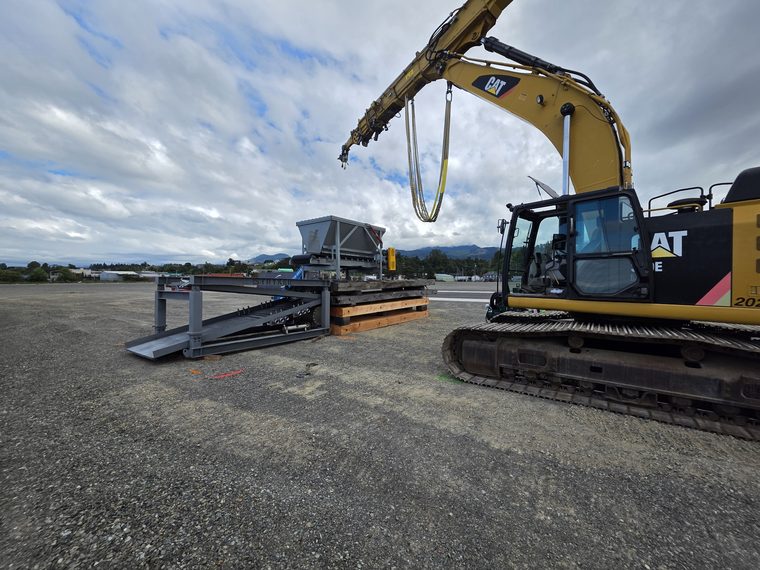
- Recovery plant assembled, trial-fitted and set on deck; excavator and crane commissioned
- Steering, windlass and hydraulics run under load; EPIRB, liferafts, flares and immersion suits checked and in date
- Provisions, potable water, lube oil and consumables loaded for the whole season
- Charts, permits and crew documentation confirmed current
North
The ice retreats out of Norton Sound and the fleet sails. It is a long transit with a loaded deck, and it is the last of the easy days — once the vessels are on the ground off Nome, everything that was not fixed in May gets fixed at anchor. On arrival the moorings go down, the plant is commissioned in the water, and the first runs are made over surveyed ground.
- Transit north, deck cargo secured for open water
- Moorings set and the vessels held on station
- Recovery plant commissioned and the first runs made
- Crew rotations begin
Peak season
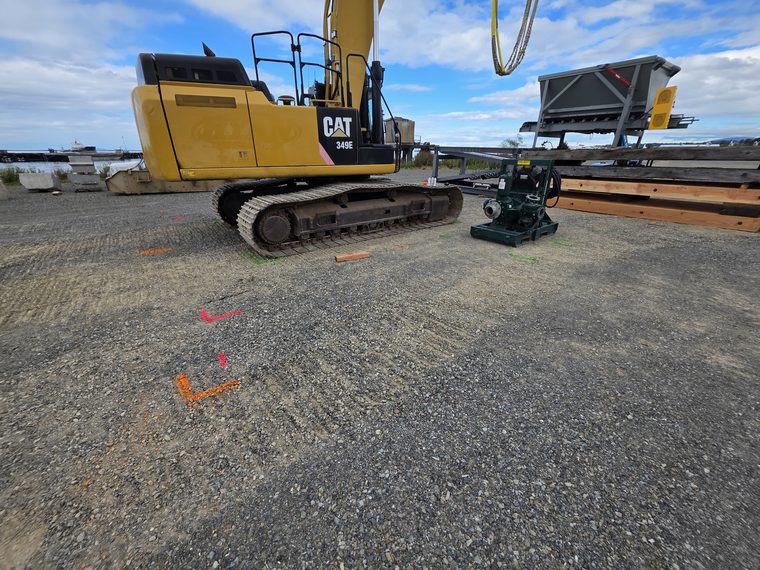
The longest days of the year and the calmest water the season offers. This is the stretch the whole year is built around. The excavator works the seafloor, material goes over the screen deck, oversize goes back and the pay fraction goes to the sluice — as close to around the clock as the weather and the crew allow.
- Continuous recovery while daylight and weather hold
- Cleanouts run on schedule; concentrate weighed, logged and secured aboard
- Crew rotate through; the plant does not stop for a crew change
- Wear parts changed in place, between runs
Sustained operation
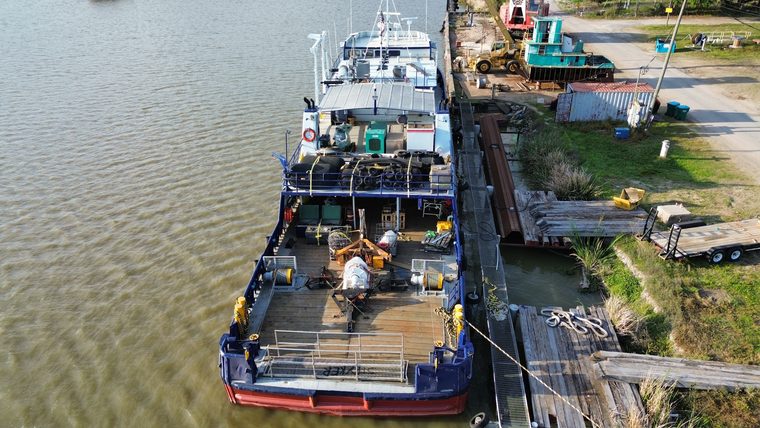
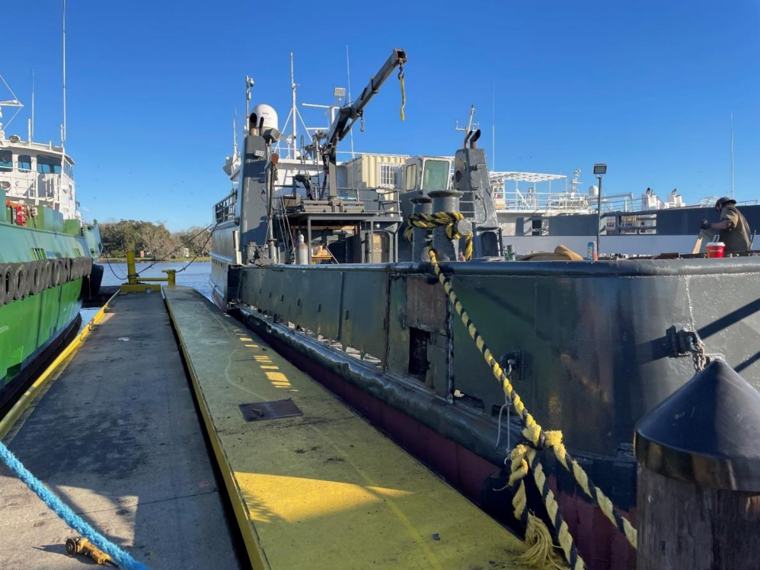
Production continues while the weather holds. Maintenance is done in place and between runs, because coming off station costs days that cannot be bought back later in the year. Everything recovered goes ashore on a scheduled run rather than accumulating on deck.
- Recovery continues; ground worked to the survey
- Scheduled runs ashore — nothing valuable stays aboard longer than it has to
- Running maintenance on plant, excavator and main machinery
- First long-range look at the autumn forecast
Weather closes in
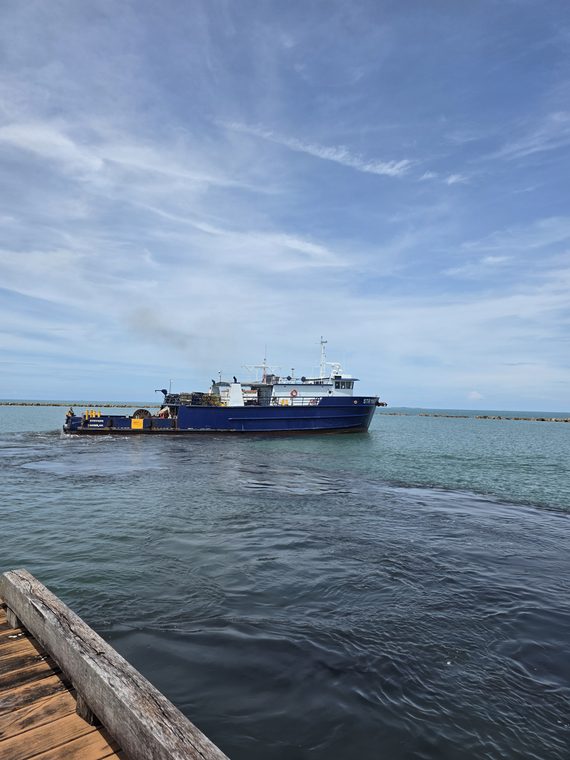
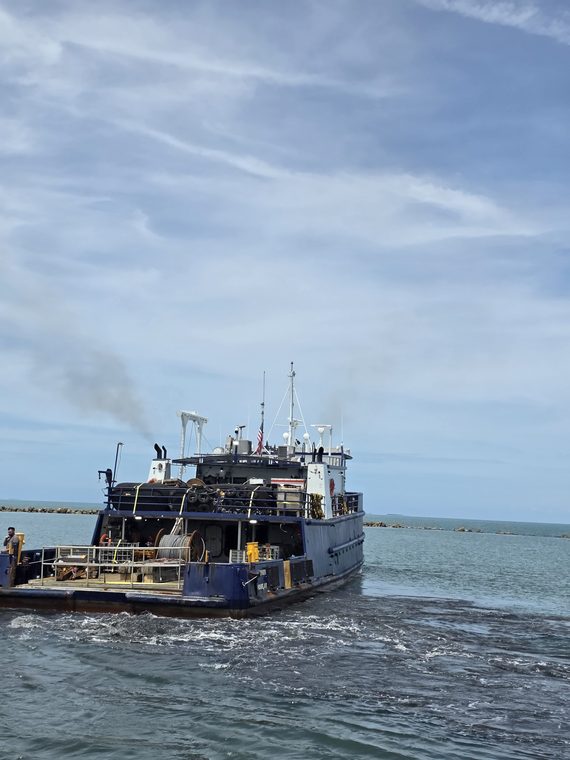
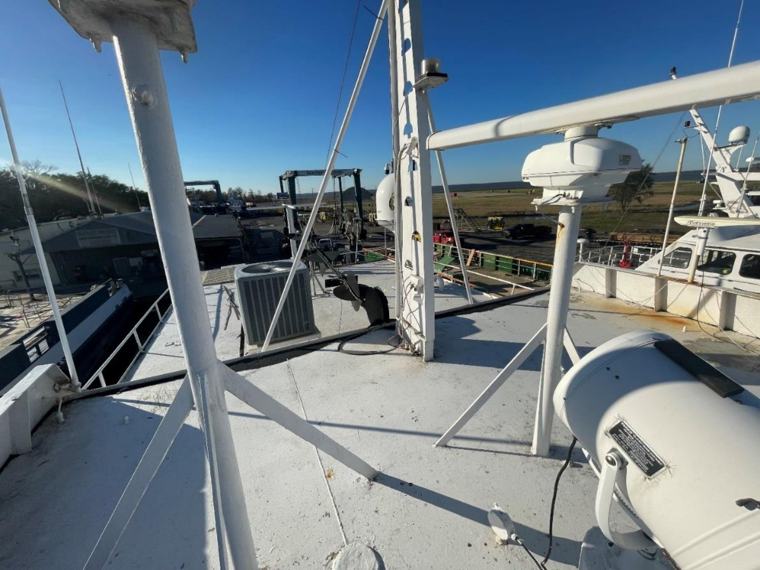
Bering Sea autumn arrives early and hard. Operating windows shorten between blows and the decision to keep working or to start demobilising gets made on the forecast, not the calendar. Work continues in the gaps — and the gaps get shorter every week.
- Recovery continues in the windows between weather
- Ground and gear prioritised on the assumption each run may be the last
- Demobilisation sequence planned while there is still time to plan it
- Standing rigging, deck cargo and lashings checked for the run south
Shut down, run south, and start again
The last runs are made in early October, and then the season closes. Moorings come up, the plant comes off, the season’s recovery goes ashore, and the crew go home to families most of them have not seen since May. The vessels transit south and the winter work begins almost immediately — because the list written in October is the list that makes May possible.
- Final cleanout; everything recovered lands and is accounted for
- Moorings recovered, plant broken down and secured for the transit
- Vessels run south; crew stand down and go home
- Haul-out, survey and repair scoped over the winter so the fleet sails again in May